
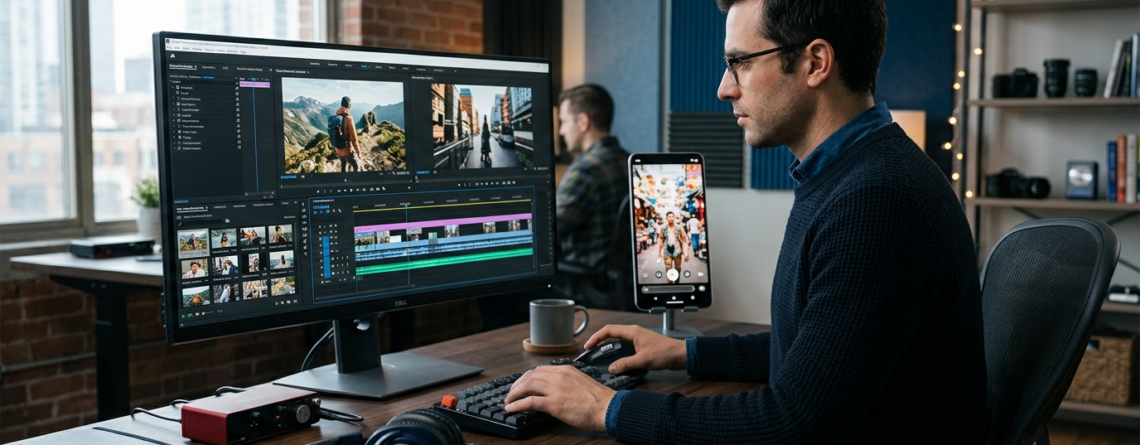
In the fast-paced digital landscape, social media video marketing has become an essential strategy for businesses looking to increase brand awareness, connect with potential customers, and grow their online presence. Platforms such as Instagram, Facebook, YouTube, and LinkedIn offer businesses powerful opportunities to showcase their products, share knowledge, and communicate their brand message through video.
However, creating a video is only the beginning. The real challenge is producing content that captures attention, keeps viewers interested, and encourages them to engage with your brand.
A well-planned social media video content strategy combines creative storytelling, quality visuals, effective editing, and audience insights to deliver better results. Whether a business is publishing Instagram Reels, YouTube Shorts, educational tutorials, or promotional videos, the right approach can make its content more effective.
In this guide, Divine Art Lab explores practical strategies, creative ideas, and video editing techniques for social media that businesses can use to create engaging content and support their marketing goals.
1. Identify Your Target Audience
Before creating any video, it is important to understand who the content is intended for. Knowing your audience’s interests, preferences, and challenges helps businesses develop videos that feel relevant and encourage interaction.
Rather than creating content for everyone, focus on the people most likely to be interested in your products or services.

Consider these factors when planning your videos:
- Audience interests: Discover the subjects, trends, and formats your audience enjoys.
- Demographics: Understand relevant age groups, locations, and customer characteristics.
- Customer needs: Create content that answers common questions or addresses specific problems.
- Platform behaviour: Identify which social media platforms your audience uses most frequently.
For instance, a clothing business could publish outfit inspiration and styling tutorials, while a digital marketing agency might share website improvement tips, marketing strategies, and business growth advice.
Reviewing audience insights can also reveal which topics receive more views, comments, shares, and saves.
Pro Tip: Use audience research and platform analytics to guide your content decisions instead of relying entirely on assumptions.
2. Capture Attention with a Compelling Hook
Social media users often scroll through multiple posts within seconds. If a video takes too long to deliver something interesting, viewers may move on before discovering its value.
An engaging opening helps establish why the video is worth watching. This is why a strong hook is an important part of creating engaging social media videos.
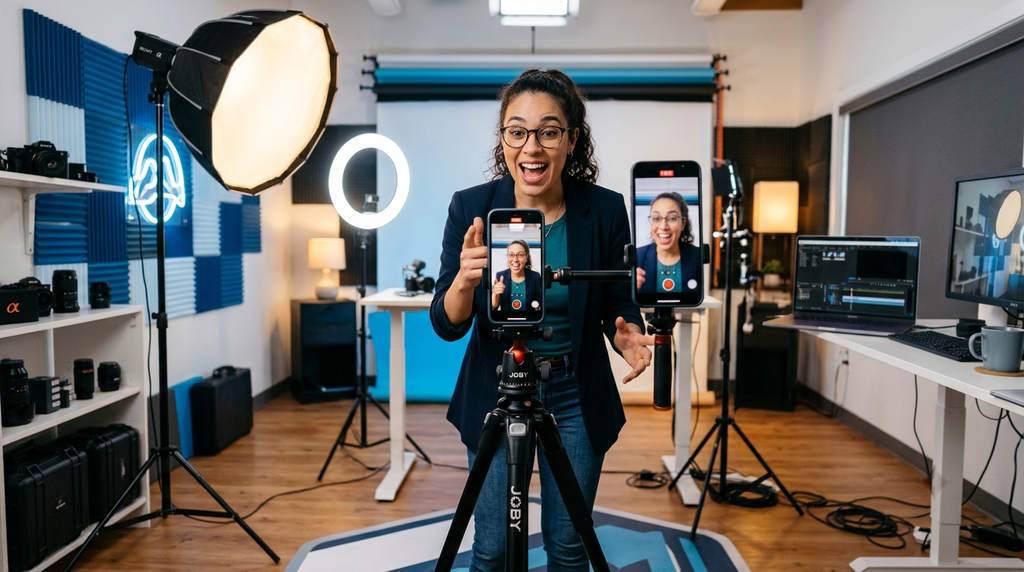
Here are some ways to make the beginning more interesting:
- Ask a question your target audience wants answered.
- Introduce a common challenge or frustration.
- Reveal an interesting result or demonstration.
- Share a useful fact related to your topic.
- Begin with an eye-catching visual or action.
For example, a website development company could open with the question, “Is your website turning potential customers away?” This immediately introduces a problem that may interest business owners.
The opening should connect directly to the rest of the video. Avoid exaggerated promises or misleading hooks that fail to deliver useful information.
3. Create Valuable and Easy-to-Understand Content
An engaging video should give viewers a clear reason to watch. Depending on your audience, that reason might be learning something new, discovering a product, finding inspiration, or enjoying entertaining content.
Short-form video content works particularly well for quick tips, product highlights, demonstrations, and bite-sized educational information. Longer videos can be useful for detailed tutorials, interviews, product explanations, and in-depth discussions.
To make your videos more effective:
- Focus on one main message at a time.
- Remove repetitive information and unnecessary introductions.
- Explain ideas using simple, accessible language.
- Include practical examples or demonstrations.
- Choose a video length that suits the topic and platform.
For example, instead of explaining ten marketing strategies in one short video, create a series of individual videos, each covering one useful technique.
This approach makes the content easier to follow and gives businesses more opportunities to explore related topics.
The objective is not simply to produce shorter videos. It is to ensure that every part of the content provides value.
4. Select the Right Social Media Platform
Each social media platform offers different ways to present video content. Choosing the right platform helps businesses reach suitable audiences and distribute their content more effectively.

Here is how businesses can approach some popular platforms:
- Instagram: Publish Reels, product showcases, visual tutorials, and behind-the-scenes content.
- Facebook: Share promotional videos, customer stories, educational posts, and community-focused content.
- YouTube: Create tutorials, detailed demonstrations, product reviews, interviews, and long-form videos.
- LinkedIn: Publish professional insights, industry updates, business advice, and company-related content.
- TikTok: Experiment with creative short-form videos, relatable storytelling, and relevant trends.
The best platform depends on the business’s target audience, content style, and marketing objectives.
Businesses should also adapt their videos to the platform instead of simply uploading identical versions everywhere. Adjusting the aspect ratio, captions, pacing, and presentation can help create a more suitable viewing experience.
5. Improve Content with Professional Video Editing
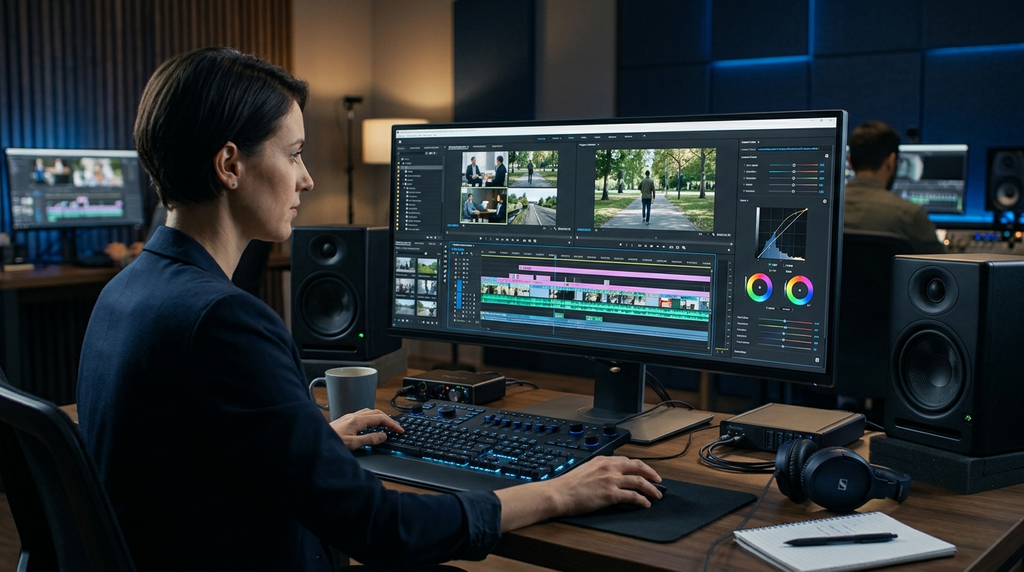
Recording good footage is important, but editing determines how effectively that footage communicates the intended message. Unnecessary pauses, inconsistent visuals, distracting transitions, and poor audio can reduce the quality of an otherwise useful video.
Professional video editing helps transform raw footage into polished content that is easier to watch and understand.
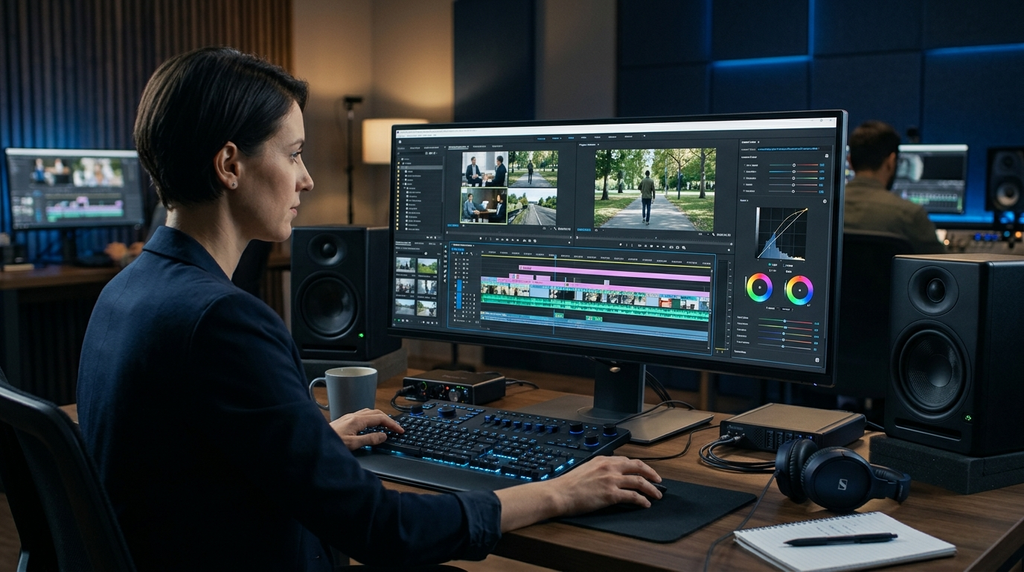
Some useful social media video editing techniques include:
- Precise cuts: Remove unnecessary pauses and keep the message focused.
- Smooth transitions: Connect scenes naturally without distracting viewers.
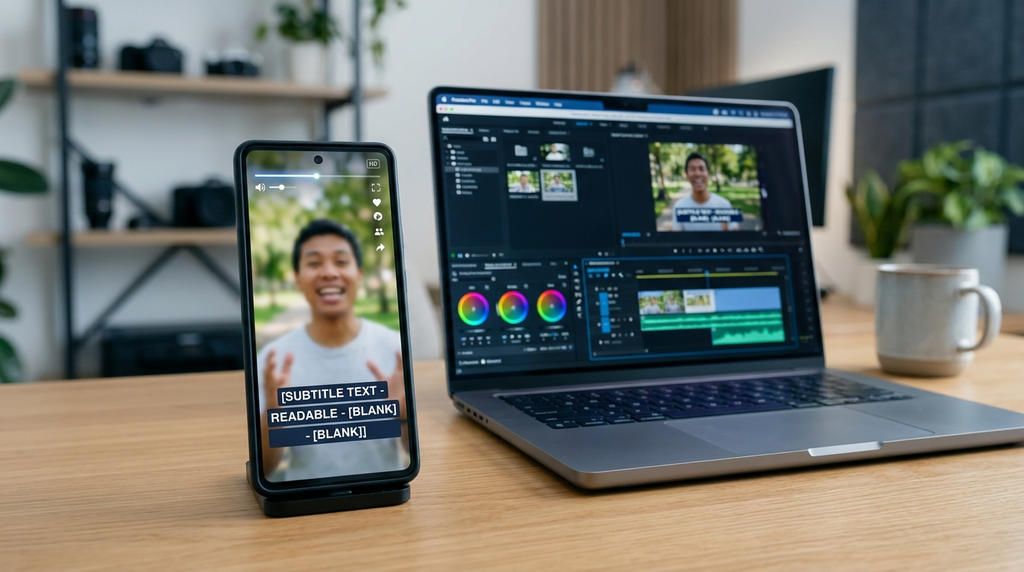
- Captions and subtitles: Make spoken information easier to follow.
- Background music: Support the mood and tone of the content.
- Sound design: Improve the audio experience with suitable sound effects.
- Colour correction: Maintain balanced and consistent visuals.
- Motion graphics: Present statistics, product features, and key messages clearly.
- Effective pacing: Keep the video moving at a speed that suits the content.
Editing should support the video’s message rather than overpower it. Too many effects, animations, or transitions can distract viewers from the main point.
At Divine Art Lab, professional video editing services can help businesses turn raw footage into platform-ready videos that align with their brand identity and marketing objectives.
6. Make Videos More Accessible with Captions and Text
Not every viewer watches social media videos with the sound turned on. Captions and on-screen text help communicate important information even when audio is unavailable.
They also allow viewers to follow the message more easily and highlight the most important points.
For effective text placement and design:
- Choose clear, readable fonts.
- Use colours that contrast with the background.
- Highlight important phrases without overcrowding the screen.
- Keep text short and easy to understand.
- Position captions away from platform interface elements.
- Review subtitles to correct spelling and transcription errors.
For example, a promotional video about website development could display key benefits such as mobile-friendly design, fast-loading pages, and improved user experience as the relevant features appear.
This combination of visuals and concise text makes the information easier to understand while reinforcing the video’s key message.
7. Focus on Clear Visuals and Good Audio Quality
Video quality influences the way audiences experience content and perceive a brand. Dark footage, shaky camera movements, and unclear sound can make videos difficult to follow.
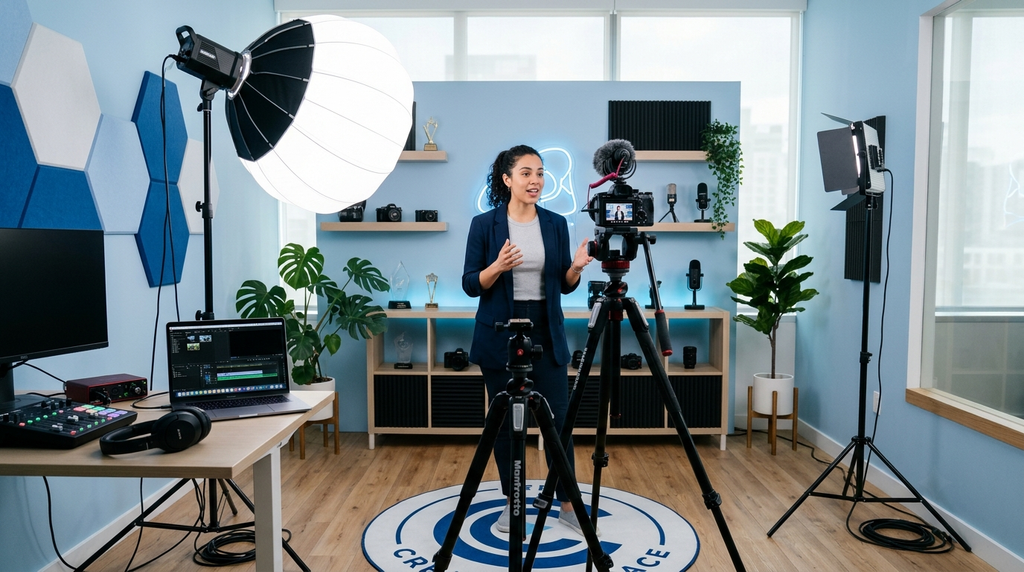
Creating professional-looking social media videos for businesses does not necessarily require expensive cameras or a fully equipped studio. Good planning and basic recording techniques can make a meaningful difference.
Follow these practical tips:
- Record in a well-lit environment.
- Keep your camera steady while filming.
- Clean the camera lens before recording.
- Choose a background that complements the subject.
- Minimise unwanted noise during recording.
- Use an external microphone when the situation requires it.
- Export the final video at an appropriate resolution.
Before publishing, watch the entire video and check the audio, visuals, transitions, and captions.
A clear message supported by good recording and thoughtful editing can help businesses create content that feels more polished and professional.
8. Use Storytelling to Build Audience Connections
People often connect more easily with content that reflects their experiences, challenges, or aspirations. Storytelling allows businesses to communicate their value in a relatable way rather than relying entirely on direct promotional messages.
A simple storytelling structure can make a video easier to follow:
- Introduce the problem: Show a challenge the audience recognises.
- Present the solution: Explain how a product, service, or idea can help.
- Demonstrate the outcome: Highlight the potential benefit or result.
- Add a call to action: Suggest a relevant next step.
For example, a website development business could create a video showing the challenges of an outdated website, explaining how a redesign improves navigation, and demonstrating how a mobile-friendly layout creates a better user experience.
This approach helps audiences understand the practical value of a service while keeping the video informative and relatable.
9. Use Social Media Trends Strategically
Trends can give businesses fresh ideas for video content and help them participate in relevant online conversations. Popular audio, creative formats, and trending topics may offer opportunities to reach audiences in new ways.
However, following every trend is not necessarily an effective strategy.
Businesses should evaluate whether a trend fits their brand personality, industry, audience, and marketing objectives.

To use trends more effectively:
- Follow relevant industry discussions and platform trends.
- Adapt popular formats to your business niche.
- Choose audio that is appropriate and licensed for the intended use.
- Add original ideas rather than copying existing content.
- Maintain a consistent brand voice and visual identity.
For example, a marketing agency could adapt a popular video format to explain common website mistakes or demonstrate simple improvements businesses can make to their online presence.
The goal is to combine creativity with relevance so that trend-based content still supports the brand’s overall strategy.
10. Include a Clear Call to Action
An effective social media video should help viewers understand what to do after watching. A clear call to action (CTA) can encourage them to interact with the content, explore your services, or contact your business.
The CTA should match the purpose of the video.

Examples include:
- Follow the page for more practical tips.
- Save this video for future reference.
- Share this with someone who may find it useful.
- Visit the website to explore available services.
- Send a message to learn more.
- Contact the team to discuss your requirements.
Educational videos may benefit from encouraging saves and shares, while promotional videos may direct interested viewers to a website or enquiry channel.
Avoid including too many competing calls to action in a single video. One clear and relevant instruction is often easier for viewers to follow.
11. Optimise Videos for Better Social Media Performance
Video optimisation helps content display properly, communicate clearly, and become easier for audiences to discover.
A well-produced video should also be prepared according to the requirements and conventions of its intended platform.
Important factors to consider include:

- Aspect ratio: Use a format suitable for the intended placement. Vertical 9:16 video is commonly used for Reels and Shorts.
- Resolution: Export the video with clear visuals and appropriate quality settings.
- Captions: Write a relevant post caption and include accurate subtitles when useful.
- Keywords: Incorporate relevant phrases naturally into video titles, descriptions, and accompanying text.
- Hashtags: Use relevant hashtags where they support content discovery.
- Cover image: Select a clear, representative frame that encourages viewers to explore the video.
- Readability: Ensure text remains visible on mobile screens and is not obscured by interface elements.
For YouTube, a descriptive title and useful description can help explain the video’s subject. For Instagram and Facebook, an engaging opening and concise supporting caption can make the content easier to understand.
Always review the final video on a mobile device before publishing to identify formatting or readability issues.
12. Build a Consistent Video Content Schedule
Consistency helps businesses maintain an active presence and gives them a structured approach to content creation. A content calendar also makes it easier to organise ideas, recording sessions, editing tasks, and publishing dates.
Instead of creating videos at the last minute, plan a manageable schedule that fits your team’s resources and audience preferences.

For example, a weekly social media video content plan could include:
- Monday: Educational tips or industry insights.
- Wednesday: Product demonstrations or service highlights.
- Friday: Behind-the-scenes footage or brand storytelling.
- Sunday: Frequently asked questions or community-focused content.
This schedule is a starting point rather than a fixed rule. Businesses should adjust their posting frequency according to their audience’s behaviour, platform performance, and production capacity.
A consistent, manageable schedule is more sustainable than publishing frequently without maintaining quality.
13. Track Video Analytics and Refine Your Strategy
Creating engaging videos requires continuous learning. Reviewing performance data helps businesses identify which topics, formats, and creative approaches resonate with their audiences.
Important social media video analytics include:

- Views and reach: Understand how widely the video has been distributed and watched.
- Watch time: Measure the amount of time viewers spend watching.
- Audience retention: Identify when viewers stop watching.
- Engagement: Review likes, comments, shares, and saves.
- Link clicks: Evaluate whether viewers visit the intended destination.
- Conversions and enquiries: Measure actions that contribute to business objectives.
For example, if viewers leave a video shortly after it begins, experiment with a more relevant opening or a faster introduction. If a particular tutorial receives strong engagement, consider producing related videos that address similar questions.
Metrics should be evaluated according to the content’s purpose. A video designed to generate business enquiries should be assessed differently from one intended primarily to build brand awareness.
By reviewing results and testing improvements, businesses can develop a more informed and effective video marketing strategy.
Common Mistakes to Avoid When Creating Social Media Videos
Even useful content can lose its impact when avoidable production or planning mistakes get in the way.
Here are some common issues to watch out for:
- Using a slow or uninteresting opening.
- Publishing videos with unclear sound or poor lighting.
- Adding excessive transitions and visual effects.
- Using captions that are difficult to read.
- Ignoring the platform’s recommended video format.
- Following irrelevant trends simply because they are popular.
- Making promises that the video does not fulfil.
- Forgetting to include a suitable call to action.
- Publishing without checking performance data.
- Measuring success through views alone.
Avoiding these problems helps businesses produce clearer, more professional, and more audience-focused content.

How Professional Video Editing Supports Business Growth
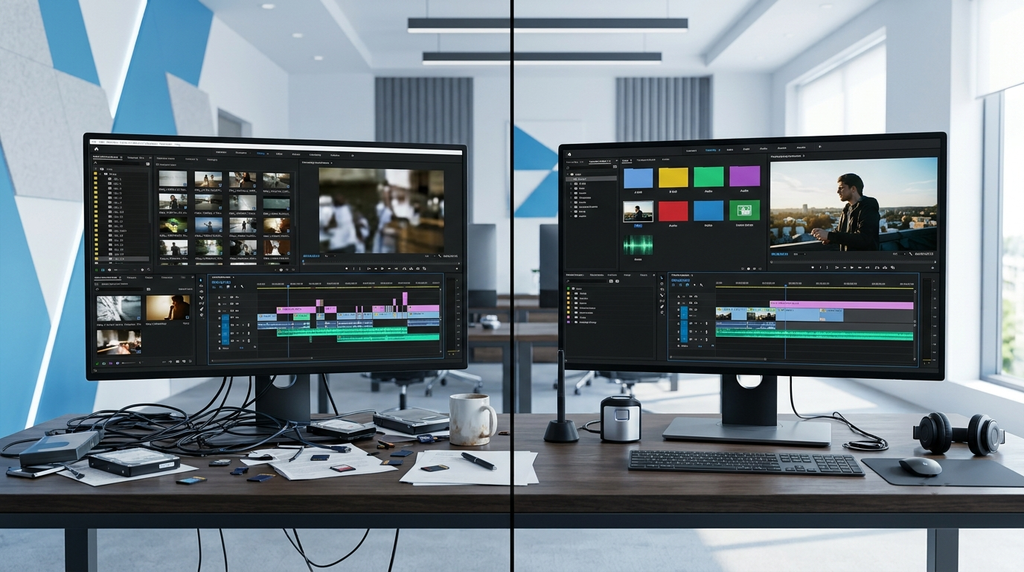
Professional video editing helps businesses present information, products, and services in a clear and consistent way. Carefully edited content can improve the viewing experience and make brand communication more effective.
Businesses can use professionally edited videos for promotional campaigns, Instagram Reels, YouTube content, product demonstrations, educational videos, and customer testimonials.
Key advantages include:
- Professional brand image: Maintain a consistent and polished presentation.
- Improved viewing experience: Remove unnecessary footage and improve pacing.
- Clear communication: Use captions, graphics, and visual storytelling to explain important points.
- Consistent content quality: Apply a recognisable style across different platforms.
- Marketing support: Create videos that support awareness, engagement, and lead-generation activities.
At Divine Art Lab, businesses can explore professional video editing solutions tailored to their content requirements and digital marketing goals.
Combining thoughtful planning, creative production, and effective editing helps businesses make better use of video across their marketing channels.
Conclusion
Creating engaging social media videos involves understanding your audience, choosing relevant topics, capturing attention quickly, and delivering useful content in an appealing format. Strong storytelling, clear audio, professional editing, and platform-specific optimisation all contribute to a better viewing experience.
A well-planned social media video marketing strategy should also include consistent publishing, relevant calls to action, and regular performance analysis. These practices help businesses learn what resonates with their audiences and improve their content over time.
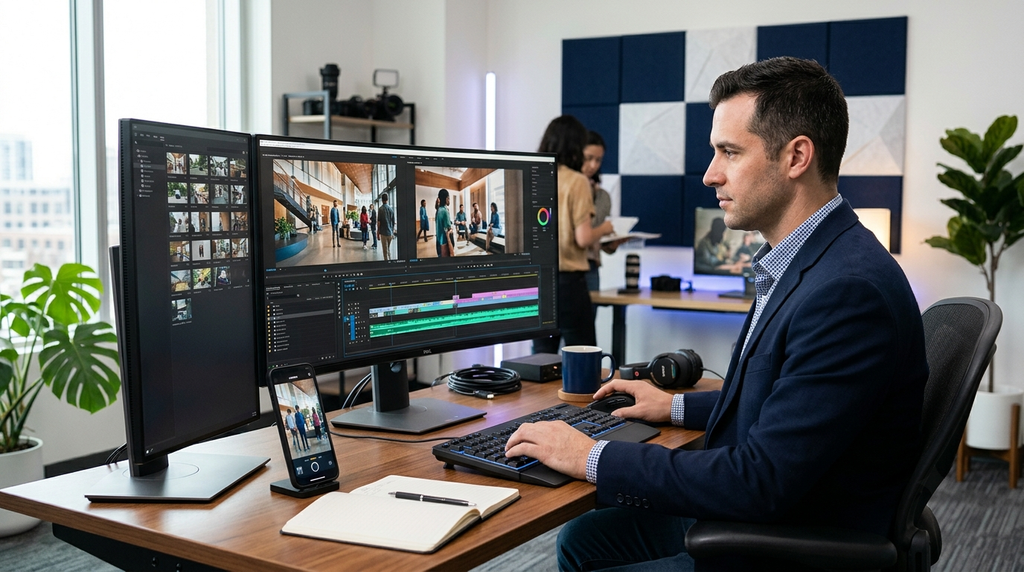
Whether a brand creates Instagram Reels, YouTube Shorts, educational tutorials, or promotional campaigns, the priority should be to communicate a clear message and provide genuine value.
Divine Art Lab supports businesses with creative digital solutions, including professional video editing and digital marketing services. With the right content strategy and a focus on quality, businesses can use social media videos to strengthen brand awareness, build audience relationships, and support sustainable growth.
Frequently Asked Questions (FAQs)
1. How can businesses create engaging videos for social media?
Businesses can start by understanding their audience, selecting relevant topics, and opening with an interesting hook. Clear visuals, effective editing, captions, and a suitable call to action can help make the content more engaging.
2. Which types of videos work well on social media?
Tutorials, product demonstrations, educational videos, behind-the-scenes content, customer testimonials, storytelling, and short-form videos are useful formats. The best choice depends on the platform, audience, and business objective.
3. What is the ideal length for a social media video?
There is no single ideal length for every video. Short videos are useful for quick tips and product highlights, while longer videos can provide more detail through tutorials, interviews, and demonstrations. The content should remain relevant throughout.
4. How does video editing improve social media content?
Video editing helps remove unnecessary footage, improve pacing, enhance sound and visuals, add captions, and present information more clearly. It can also create a consistent visual style for a brand.
5. How can brands improve social media video engagement?
Brands can experiment with compelling openings, relevant topics, readable captions, storytelling, and clear calls to action. Reviewing watch time, shares, saves, comments, and audience retention can also help identify opportunities for improvement.
6. Can social media videos help businesses generate leads?
Yes. Videos can introduce products and services, demonstrate their benefits, answer customer questions, and build familiarity with a brand. Relevant calls to action can encourage interested viewers to visit a website or contact the business.
7. What are the benefits of hiring a professional video editing service?
Professional video editing services can help businesses create polished, consistent, and platform-ready content. This can reduce production workload and help maintain quality across promotional videos, educational content, and social media campaigns.

Leave a Reply